
Thank You
A member of our team will be in touch with you, shortly. We appreciate your interest!
In the meantime, feel free to check out some of our most recent blog entries:

Year-End Payroll Checklist: What Needs to Happen Before December 31
A practical checklist for business owners: verifying employee data, reconciling payroll tax deposits, handling fringe benefits and bonuses, maxing retirement contributions, and ACA reporting before December 31.

The 2026 Marketplace Health Insurance Tax Trap: Why Some Taxpayers Could Face a Big Surprise
For 2026, the 400% FPL subsidy cliff is back and the caps on repaying excess Advance Premium Tax Credits are gone. Here is how Marketplace enrollees with rising income can avoid a five-figure surprise at tax time.

Charitable Giving Strategies That Actually Reduce Your Tax Bill
New 2026 rules changed how charitable deductions work for both itemizers and non-itemizers. Here’s how to bunch gifts, use a DAF, and give appreciated stock to keep the tax benefit.
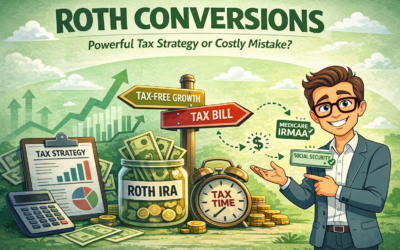
The Roth Conversion Window: Why Late Fall Is the Right Time to Run the Numbers
Late fall is the best time to evaluate a Roth conversion, once your year’s income picture is clear. Here’s how the bracket-filling strategy works.

New SBA Loan Rules Take Effect October 1, 2026: What Business Buyers and Sellers Need to Know
If you’re considering buying or selling a business, changes to the SBA’s lending rules taking effect October 1, 2026 could have a meaningful impact on how your transaction is financed. The Small Business Administration is implementing SOP 50 10 8.1, which changes...

Qualified Opportunity Zones: Still Worth Considering or Mostly Hype?
The OBBBA made Opportunity Zones permanent but redesigned the rules. Here’s what changed and how to tell a real deal from a tax-driven pitch.

Retirement Accounts for Business Owners: SEP-IRA, Solo 401(k), and When Each Wins
Business owners have access to retirement accounts that most employees can only envy. The contribution limits are higher, the flexibility is greater, and the tax benefits are substantial. But the options can also be confusing, and the wrong choice costs you both in...

Tax Planning vs Tax Preparation: Why One Costs You Money and One Makes You Money
Most people conflate these two things, but they are fundamentally different services — and confusing them is expensive. Tax preparation is what happens after the year ends. Tax planning is what happens before. The difference in outcome between someone who does only...

Business Valuation Basics: Why Every Business Owner Needs a Number
Most business owners have spent years building something valuable — and have no idea what it's actually worth. They'll know their revenue, their payroll, maybe their profit margin. But the number that represents the enterprise value of the business? Often a blank....

When to Pay Yourself More (and When Your S-Corp Salary Is Already Too High)
Most S-Corp owners think about their salary once — when they set it up — and rarely revisit it. That's a mistake in both directions. Undercompensating yourself creates IRS audit risk. Overcompensating costs you unnecessarily in payroll taxes. The right number isn't...
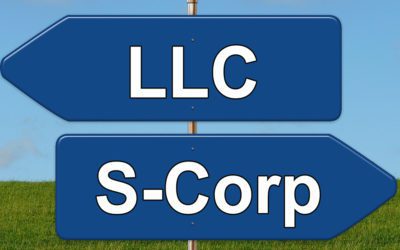
LLC vs S-Corp vs C-Corp: What Actually Changes at Different Income Levels
LLC, S-Corp, or C-Corp? The right entity choice depends on your income level and goals. Here’s how each structure is taxed and where the crossover points fall.

The Augusta Rule: How S-Corp Owners Can Rent Their Home to Their Business
The Augusta Rule lets S-Corp owners rent their home to their business for up to 14 days a year, tax-free. Here is how the deduction works and what documentation the IRS expects.

Trump Accounts: The Complete Guide for Parents and Grandparents
Funding officially opened on July 4, 2026 for Trump Accounts, the new child savings program created under the One Big Beautiful Bill Act (OBBBA) and codified in the tax code as Section 530A. If you have kids or grandkids under 18, or you're expecting a child in the...

When Your Business Needs a CFO (and When a Good Bookkeeper Is Enough)
Clean books and good decisions aren’t the same thing. Here’s how to tell whether your business has outgrown bookkeeping-only support.

Hiring Your Kids: What the IRS Allows, What It Doesn’t, and How to Do It Right
Paying your children to work in your business can shift income to a lower tax bracket, but only if the work is real and the wages are reasonable. Here is how to set it up correctly.